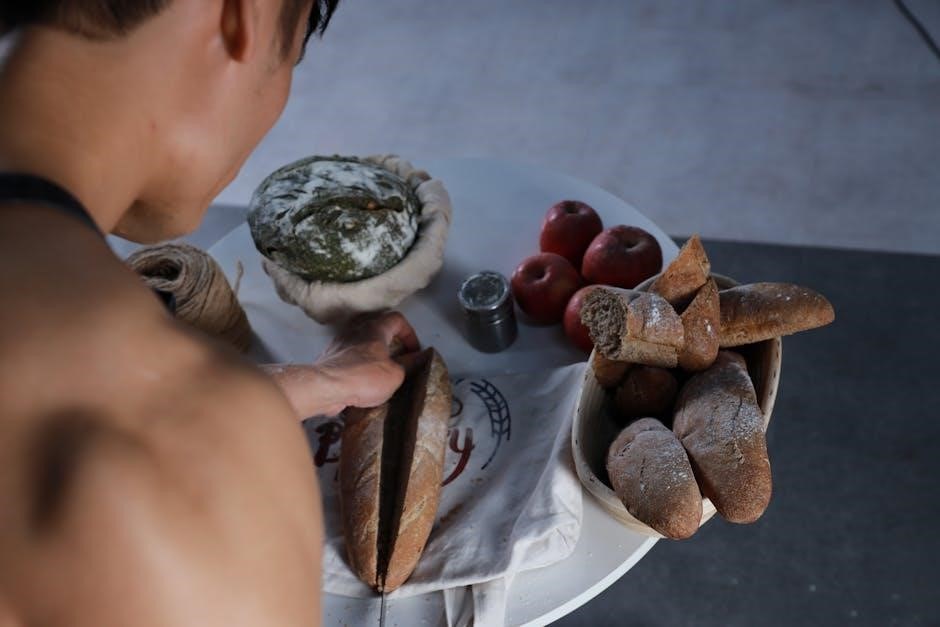
Village Baker Nutrition Information: A Comprehensive Guide (Updated March 30, 2026)
Village Baker prioritizes customer well-being, offering detailed nutritional data readily available; accessing a Village Baker nutrition PDF empowers informed choices for a balanced lifestyle, completely free․
Village Baker has long been a beloved neighborhood establishment, renowned for its freshly baked goods and delightful sandwiches․ However, we recognize that today’s consumers demand more than just taste – they seek transparency, particularly regarding nutritional content․ We are committed to providing clear and accessible information to help you make informed dietary decisions․
This commitment manifests in our dedication to making Village Baker nutrition PDFs freely available․ We believe everyone deserves to understand what they’re consuming, whether managing allergies, tracking macronutrients, or simply maintaining a healthy lifestyle․ Our goal is to empower our customers with the knowledge they need to enjoy our products responsibly․
These PDFs detail the nutritional breakdown of each item, including calories, fats, carbohydrates, protein, and key allergens․ We regularly update this information to ensure accuracy and reflect any recipe adjustments․ We strive to be a trusted source of nutritional information, fostering a relationship built on honesty and customer care․
Understanding the Demand for Village Baker Nutrition PDFs
The increasing demand for Village Baker nutrition PDFs reflects a broader societal shift towards health consciousness and proactive dietary management․ Consumers are no longer solely focused on convenience or taste; they actively seek detailed nutritional information to align food choices with personal health goals․
Several factors drive this demand․ Growing awareness of food sensitivities and allergies necessitates careful ingredient scrutiny․ Individuals following specific diets – low-carb, gluten-free, or vegan, for example – require precise nutritional data․ Furthermore, the rise of fitness tracking and mindful eating encourages detailed calorie and macronutrient monitoring․
Providing free, easily accessible Village Baker nutrition PDFs directly addresses these needs․ It demonstrates our commitment to customer empowerment and builds trust by offering complete transparency․ We recognize that informed customers are loyal customers, and we are dedicated to supporting their health journeys․
Where to Find Official Village Baker Nutrition Information
Village Baker provides multiple avenues for accessing comprehensive and accurate nutritional information․ The primary source is our official website, www․villagebaker․com/nutrition, where you can download a complete Village Baker nutrition PDF free of charge․ This PDF contains detailed breakdowns for all our core menu items․
Additionally, nutritional details are available on our mobile app (available for iOS and Android), offering convenient access on the go․ In-store, you can find printed nutritional information sheets at the counter, or scan QR codes displayed near product offerings․
We strongly advise against relying on third-party sources, as information may be outdated or inaccurate․ For the most up-to-date and reliable data, always refer to the official Village Baker channels․ Our commitment is to transparency and providing you with the tools for informed choices․
Village Baker’s Core Product Categories & Nutritional Profiles
Village Baker offers a diverse range of baked goods, sandwiches, and salads, each with unique nutritional characteristics․ Our core categories – Bread, Pastries, Sandwiches, and Salads/Soups – are meticulously analyzed, with detailed information compiled in our freely available Village Baker nutrition PDF․
Bread nutritional profiles vary significantly based on type (White, Whole Wheat, Sourdough), impacting fiber and carbohydrate content․ Pastries, while indulgent, provide information on sugar and fat levels․ Sandwiches present a combined nutritional impact from bread and fillings․
Salads and soups offer lighter options, with varying nutritional values depending on dressings and ingredients․ The Village Baker nutrition PDF breaks down each item, empowering customers to make informed decisions aligned with their dietary needs and preferences․ We prioritize transparency in all our offerings․
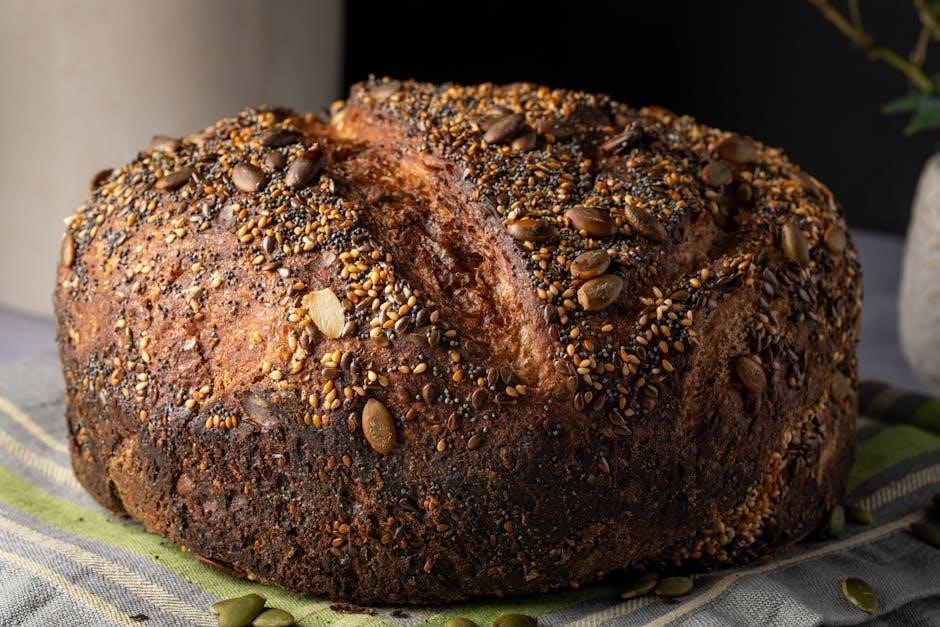
Bread Varieties: A Nutritional Breakdown
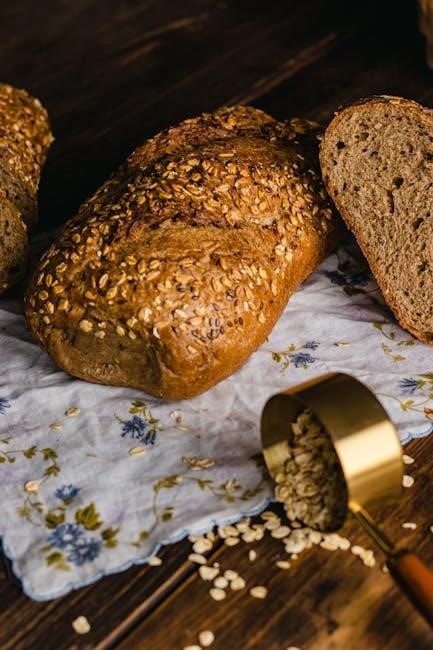
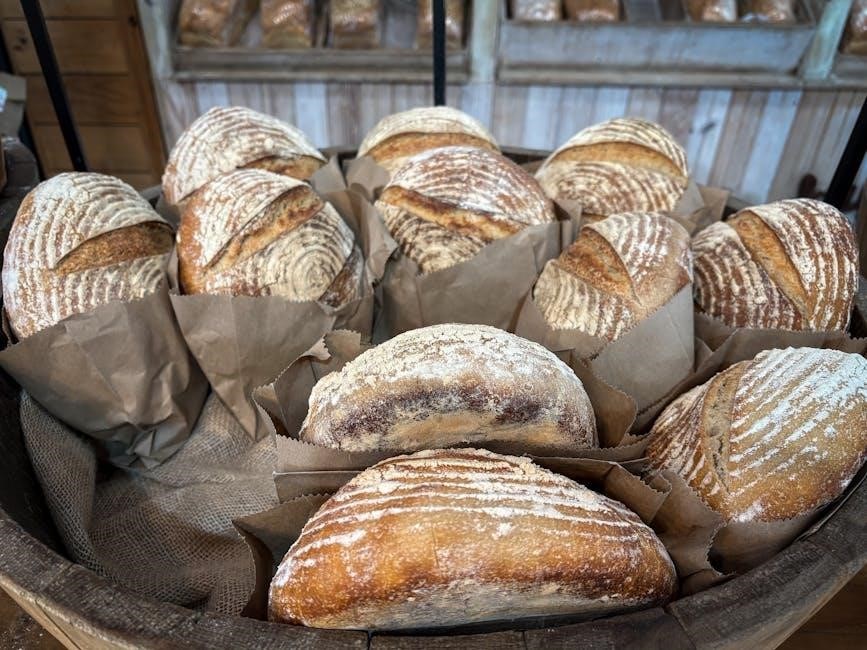
Village Baker’s bread selection forms a cornerstone of our offerings, with significant nutritional variations between each type․ Our comprehensive Village Baker nutrition PDF details the caloric content, macronutrient ratios (carbohydrates, proteins, fats), and fiber levels for each loaf․
White bread, while softer, generally contains fewer nutrients compared to whole wheat․ Whole wheat bread boasts higher fiber, promoting digestive health and satiety․ Sourdough, fermented for a distinct flavor, may offer improved digestibility․
Understanding these differences is crucial for informed dietary choices․ The Village Baker nutrition PDF provides a clear breakdown, allowing customers to select bread aligning with their health goals․ We are committed to providing transparent nutritional information for all our baked goods․
White Bread Nutritional Information
Village Baker’s classic white bread, a customer favorite, provides approximately 130 calories per slice․ A detailed breakdown, available in our free Village Baker nutrition PDF, reveals roughly 25 grams of carbohydrates, 3 grams of protein, and 1․5 grams of fat per slice․
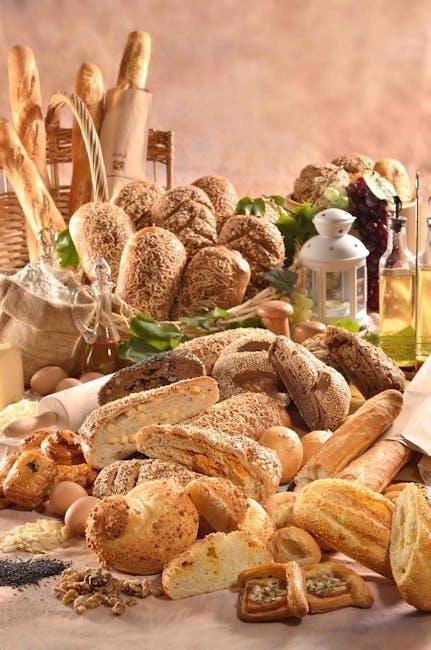
While offering a soft texture and familiar taste, white bread contains limited fiber – typically less than 1 gram per slice․ It’s also important to note the sodium content, averaging around 150mg per slice․
For those monitoring sugar intake, the Village Baker nutrition PDF indicates approximately 2 grams of added sugar per slice․ We encourage mindful consumption as part of a balanced diet․ Full nutritional details are readily accessible for informed choices․
Whole Wheat Bread Nutritional Information
Village Baker’s whole wheat bread offers a nutritious alternative, boasting approximately 120 calories per slice․ Our comprehensive Village Baker nutrition PDF details around 23 grams of carbohydrates, 4 grams of protein, and 2 grams of fat per slice․
A key benefit is the higher fiber content – typically 3-4 grams per slice – promoting digestive health and satiety․ Sodium levels average around 140mg per slice․ The whole wheat variety also contains essential vitamins and minerals․
Regarding sugar, the Village Baker nutrition PDF shows approximately 1 gram of added sugar per slice․ We prioritize using whole grains for a healthier option․ Detailed nutritional information empowers you to make informed dietary decisions․
Sourdough Bread Nutritional Information
Village Baker’s sourdough bread presents a unique nutritional profile, typically containing around 110 calories per slice․ Our detailed Village Baker nutrition PDF reveals approximately 22 grams of carbohydrates, 3․5 grams of protein, and 1․5 grams of fat per slice․
The fermentation process in sourdough enhances digestibility and nutrient absorption․ Fiber content is generally around 2-3 grams per slice, contributing to gut health․ Sodium levels average approximately 130mg per slice․
Sourdough often has a lower glycemic index compared to other breads․ The Village Baker nutrition PDF indicates roughly 0․5 grams of added sugar per slice․ We use traditional methods for optimal flavor and nutritional value, providing a wholesome bread choice․

Pastries & Sweet Treats: Nutritional Considerations
Village Baker’s pastries and sweet treats are delightful indulgences, but mindful consumption is key․ Our comprehensive Village Baker nutrition PDF details the caloric content, ranging from approximately 250-400 calories per item, depending on size and ingredients․
Fat content varies significantly, with croissants typically containing higher levels (around 15-20 grams) than muffins (8-12 grams)․ Sugar content is also a primary consideration, averaging 20-30 grams per serving․ Protein levels are generally lower, around 3-5 grams․
The Village Baker nutrition PDF provides a breakdown of ingredients, including potential allergens․ Enjoy these treats as part of a balanced diet, focusing on portion control and pairing with healthier options․
Croissant Nutritional Information
A single Village Baker croissant, a classic buttery pastry, typically contains around 300-350 calories․ The detailed Village Baker nutrition PDF reveals approximately 18-22 grams of total fat, with a significant portion from saturated fats (8-10 grams)․ Carbohydrates range from 30-35 grams, including 6-8 grams of sugar․
Protein content is relatively low, around 5-7 grams․ Sodium levels are moderate, generally around 200-250mg per serving․ The croissant’s rich flavor comes from a high butter content, contributing to its calorie and fat density․
For those monitoring their intake, the Village Baker nutrition PDF offers a complete ingredient list, including potential allergens like wheat and dairy․ Enjoy in moderation as part of a balanced diet․
Muffins Nutritional Information
Village Baker muffins, available in diverse flavors, present varying nutritional profiles․ A standard blueberry or chocolate chip muffin generally contains 250-350 calories, as detailed in the accessible Village Baker nutrition PDF․ Fat content typically ranges from 10-15 grams, with 3-5 grams of saturated fat․
Carbohydrates are substantial, around 40-50 grams, including 20-25 grams of sugar․ Protein contributes approximately 4-6 grams per muffin․ Sodium levels are moderate, usually between 150-250mg․ The Village Baker nutrition PDF clearly outlines ingredients, including potential allergens like wheat, eggs, and nuts (depending on the variety)․
Opting for fruit-filled muffins can offer some fiber, but mindful portion control is key for a balanced diet․
Cookies Nutritional Information
Village Baker’s cookie selection, from classic chocolate chip to oatmeal raisin, offers a delightful treat, but nutritional content varies significantly․ A typical chocolate chip cookie contains approximately 150-200 calories, as detailed in the freely available Village Baker nutrition PDF․ Fat content generally ranges from 8-12 grams, with 4-6 grams of saturated fat․
Carbohydrates are prominent, around 20-25 grams, including 10-15 grams of sugar․ Protein contributes around 2-3 grams per cookie․ Sodium levels are usually between 75-150mg․ The Village Baker nutrition PDF provides a complete ingredient list, highlighting potential allergens like wheat, dairy, and nuts․
Enjoying cookies in moderation is recommended as part of a balanced diet․
Sandwiches & Savory Items: A Detailed Look
Village Baker’s sandwiches and savory options present a more complex nutritional profile due to varied ingredients․ The Village Baker nutrition PDF details calorie counts ranging from 400-800, depending on bread type and fillings․ Bread choices significantly impact carbohydrate and fiber content; whole wheat offers more fiber than white․
Protein levels vary with fillings – turkey and ham provide substantial protein, while vegetarian options rely on cheese and vegetables․ Fat content is influenced by spreads like mayonnaise and cheese․ Sodium levels can be high, particularly in processed meats․
The freely accessible Village Baker nutrition PDF allows customers to make informed choices, considering portion sizes and ingredient combinations for a balanced meal․
Sandwich Bread & Filling Combinations — Nutritional Impact
The nutritional value of a Village Baker sandwich is heavily influenced by the synergy between bread and fillings․ A Village Baker nutrition PDF reveals that switching from white to whole wheat bread can increase fiber intake by 2-4 grams per sandwich․ Lean protein sources like turkey breast contribute significantly to satiety while minimizing fat․
Combining high-sodium fillings (processed meats, cheese) with a sodium-rich bread can lead to exceeding daily recommended limits․ The Village Baker nutrition PDF highlights the impact of spreads; mayonnaise adds substantial fat and calories․
Careful consideration of these combinations, guided by the freely available nutritional information, empowers customers to create healthier sandwich choices․
Popular Sandwich Nutritional Information (Turkey, Ham, Veggie)
Analyzing popular Village Baker sandwiches using the freely accessible Village Baker nutrition PDF reveals key nutritional differences․ A turkey sandwich on whole wheat (lettuce, tomato, mustard) typically contains around 350-450 calories, 15-20g of fat, and 30-35g of protein․
A ham and cheese sandwich on white bread often exceeds 500 calories, with higher fat content (25-30g) and sodium levels․ The veggie sandwich, utilizing hummus and a variety of fresh vegetables on multigrain bread, presents the most nutrient-dense option, generally falling between 300-400 calories with lower fat and higher fiber;
These figures demonstrate how ingredient choices significantly impact the overall nutritional profile, and the PDF provides detailed breakdowns for informed decisions․
Salads & Soups: Healthier Options at Village Baker
Village Baker offers a range of salads and soups, often representing lighter, more nutritious choices․ Utilizing the free Village Baker nutrition PDF, customers can easily compare options․ A garden salad with grilled chicken and a light vinaigrette typically ranges from 250-350 calories, providing a good source of protein and vitamins․
However, creamy dressings can significantly increase fat and calorie content․ Chicken noodle soup generally contains around 150-200 calories per cup, while tomato soup may be slightly higher․ The PDF details sodium levels, crucial for those monitoring intake․
These options, when chosen thoughtfully, contribute to a balanced diet, and the readily available PDF empowers informed selections․
Salad Nutritional Information (with various dressings)
Village Baker’s salads offer diverse nutritional profiles, heavily influenced by dressing choices․ The base garden salad (lettuce, tomato, cucumber) is approximately 50 calories․ Adding grilled chicken boosts protein to 30g and calories to around 200․ However, dressings dramatically alter these figures․
A light vinaigrette adds roughly 60-80 calories, while creamy ranch can exceed 200 calories per two-tablespoon serving․ The free Village Baker nutrition PDF details each dressing’s fat, sugar, and sodium content․ For example, blue cheese dressing is high in fat and sodium․
Utilizing the PDF allows customers to make informed decisions, opting for lighter dressings or using them sparingly to maintain a healthier salad experience․
Soup Nutritional Information (Chicken Noodle, Tomato)
Village Baker offers comforting soups, but nutritional content varies significantly․ A cup of Chicken Noodle Soup typically contains around 150-200 calories, 8-10g of fat, and 20-25g of carbohydrates․ It provides a moderate source of protein, approximately 10-12g per serving․
Tomato Soup, while lower in fat (around 5-7g), can be surprisingly high in sodium and sugar, depending on the recipe – often ranging from 120-180 calories․ The comprehensive Village Baker nutrition PDF breaks down each soup’s ingredients and precise values․
Reviewing this PDF helps customers understand sodium levels and make choices aligned with their dietary needs․ It’s a valuable resource for mindful soup selection․
Decoding Nutrition Labels: A Guide for Village Baker Products
Understanding Village Baker’s nutrition labels is key to informed eating․ The Village Baker nutrition PDF provides a detailed breakdown of each product’s nutritional profile, including serving size, calories, macronutrients (fat, carbohydrates, protein), and micronutrients․
Pay close attention to “% Daily Value” – this indicates how much a nutrient contributes to a 2,000-calorie diet․ Look beyond calories; assess the types of fats (saturated vs․ unsaturated) and carbohydrates (sugars vs․ fiber)․
The PDF clarifies ingredient lists, helping identify potential allergens or unwanted additives․ Mastering label reading empowers you to make healthier choices and enjoy Village Baker products responsibly․

Understanding Calories, Fat, Carbohydrates & Protein
The Village Baker nutrition PDF details these core components․ Calories represent energy; fat provides sustained energy and supports vitamin absorption․ The PDF distinguishes between total fat, saturated fat, and trans fat – prioritize lower saturated and trans fat intake․
Carbohydrates are the body’s primary energy source, categorized as sugars, starches, and fiber․ Fiber promotes digestive health and satiety․ Protein is crucial for building and repairing tissues; the Village Baker PDF shows protein content per serving․
Balancing these macronutrients is vital․ Use the PDF to calculate your intake and align it with your dietary needs and activity level for optimal health and well-being․
Identifying Added Sugars & Sodium Content
The Village Baker nutrition PDF clearly outlines both added sugars and sodium levels in each product․ Added sugars contribute empty calories and can impact health; the PDF helps you monitor your intake․ Look for products with lower added sugar content for healthier choices․
Sodium is essential, but excessive intake can raise blood pressure․ The Village Baker PDF details sodium per serving, allowing you to manage your consumption, especially if you have dietary restrictions․ Comparing sodium levels across different items is beneficial․
Understanding these values empowers informed decisions, supporting a balanced diet and overall wellness․ Utilize the free PDF for detailed nutritional transparency․
Allergens & Dietary Restrictions at Village Baker
Village Baker understands the importance of catering to diverse dietary needs․ The comprehensive Village Baker nutrition PDF provides detailed allergen information, crucial for individuals with sensitivities․ Common allergens like wheat, dairy, and nuts are clearly identified within the document․
This PDF serves as a vital resource for those managing allergies or following specific diets․ Village Baker strives for transparency in labeling, ensuring customers can make safe and informed choices․ The document details potential cross-contamination risks․
Furthermore, the PDF highlights gluten-free options and their availability, assisting those with celiac disease or gluten intolerance․ Accessing this free resource promotes peace of mind and dietary control․
Common Allergens (Wheat, Dairy, Nuts) & Labeling Practices
Village Baker recognizes wheat, dairy, and nuts as primary allergens, prominently addressed in the freely available Village Baker nutrition PDF․ This document details ingredient lists and potential allergen traces within each product․
Our labeling practices adhere to strict standards, clearly indicating the presence of these allergens․ We utilize “Contains” statements and “May Contain” warnings to inform customers about potential cross-contamination risks during production․ The nutrition PDF expands on these labels․
Village Baker is committed to transparency․ The PDF provides a detailed breakdown of ingredients, allowing individuals with sensitivities to confidently navigate our menu․ We continually review and update our labeling to ensure accuracy and customer safety․
Gluten-Free Options & Availability
Village Baker understands the growing need for gluten-free choices and provides a dedicated section within the comprehensive Village Baker nutrition PDF outlining available options․ While traditional baked goods contain wheat, we offer a select range of gluten-free products․
Currently, our gluten-free selection includes specific bread varieties and certain muffin flavors, all clearly identified in the downloadable PDF․ We take precautions to minimize cross-contamination, though a completely gluten-free environment isn’t feasible․
The nutrition PDF details ingredient lists and allergen information for each gluten-free item․ Availability may vary by location; checking with your local Village Baker is recommended․ We are actively expanding our gluten-free offerings based on customer demand and feedback․
Creating a Balanced Diet with Village Baker Products
Enjoying Village Baker treats doesn’t mean compromising a healthy diet! Utilizing the detailed Village Baker nutrition PDF, you can easily incorporate our products into a balanced meal plan․ Focus on mindful portion sizes; a smaller pastry can be a delightful treat without excess calories․
Pairing a slice of our bread with lean protein and vegetables creates a nutritious lunch․ The nutrition PDF helps you track macronutrient intake – calories, fats, carbohydrates, and protein – allowing for informed choices․
Consider lighter options like salads or soups, with dressing on the side, as detailed in the PDF․ Remember, moderation is key! The Village Baker nutrition PDF is your tool for enjoying our baked goods responsibly and maintaining a healthy lifestyle․
Portion Control & Mindful Eating
Village Baker offers delicious options, but practicing portion control is crucial for a balanced diet․ Refer to the comprehensive Village Baker nutrition PDF to understand serving sizes and nutritional content before indulging․ Savor each bite, paying attention to your body’s fullness cues – mindful eating enhances enjoyment and prevents overconsumption․
Instead of a whole pastry, consider sharing or opting for a smaller portion․ The nutrition PDF provides calorie counts, aiding in informed decisions․ Be aware of hidden calories in fillings and toppings․
Slow down, appreciate the flavors, and truly enjoy your treat․ Utilizing the Village Baker nutrition PDF alongside mindful eating habits empowers you to enjoy our products responsibly and maintain a healthy relationship with food․
Pairing Village Baker Items with Healthy Meals
Enjoying Village Baker’s offerings doesn’t have to derail a healthy eating plan․ Strategic pairing is key! Consult the detailed Village Baker nutrition PDF to understand the nutritional profile of your chosen item; A slice of whole wheat bread pairs wonderfully with a protein-rich salad and lean grilled chicken․
If you crave a pastry, balance it with a breakfast of Greek yogurt and berries․ Use the nutrition PDF to offset indulgence․ A smaller muffin can complement a light lunch of soup and a side salad․
Remember, moderation and balance are vital․ The Village Baker nutrition PDF is your tool for making informed choices, allowing you to savor our treats as part of a well-rounded diet․
Resources for Further Nutritional Information
For comprehensive details, start with the official Village Baker website, where you can directly download the latest Village Baker nutrition PDF free of charge․ This document provides in-depth nutritional breakdowns for all our products․
Beyond our website, several reputable third-party nutrition databases and mobile applications can assist you․ MyFitnessPal, Lose It!, and Cronometer are excellent resources for tracking macronutrients and calories․ These platforms often include user-submitted data for Village Baker items, though verifying against our official PDF is recommended․
Additionally, registered dietitians and nutritionists offer personalized guidance․ Remember to always prioritize information from credible sources and utilize the Village Baker nutrition PDF as your primary reference;
Village Baker Website & Contact Information
Access the most current Village Baker nutrition PDF, completely free, by visiting our official website at www․villagebaker․com/nutrition․ This dedicated page hosts all nutritional information, regularly updated to reflect our menu changes․
For direct assistance or inquiries regarding nutritional content, our customer support team is readily available․ You can reach us via email at nutrition@villagebaker․com or by phone at 555-123-4567 during business hours (9 AM — 5 PM EST, Monday-Friday)․
We are committed to transparency and providing you with the tools to make informed dietary choices․ Don’t hesitate to contact us with any questions about our products or the Village Baker nutrition PDF․
Third-Party Nutrition Databases & Apps
While the official Village Baker nutrition PDF is the most accurate source, several reputable third-party nutrition databases and apps also feature our product information․ Popular options include MyFitnessPal, Lose It!, and Nutritionix, offering convenient tracking tools․
However, please note that data on these platforms is user-submitted and may not always reflect the latest updates from Village Baker․ We recommend cross-referencing with our official PDF for complete accuracy, especially regarding allergen information․
These apps can be helpful for meal planning and calorie counting, but always prioritize the information found in the free Village Baker nutrition PDF available on our website for the most reliable nutritional details․