2023 toyota tacoma manual transmission

2023 Tacoma Manual Transmission Overview

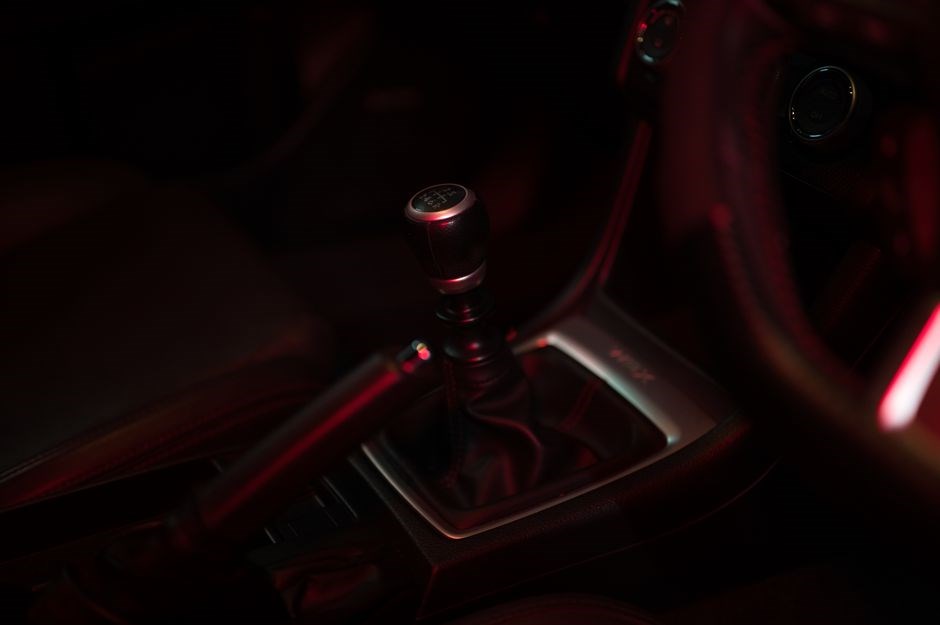
The 2023 Tacoma offers a 6‑speed manual paired with the 3.5‑L V6, delivering 278 hp and 265 lb‑ft torque. It’s standard on SR and Limited trims, optional on TRD Sport, and prized by enthusiasts for its smooth shifts and robust durability. The gearbox is built on a proven platform. 4WD ready.

Engine and Transmission Pairing

The 2023 Tacoma’s standard powertrain is a 3.5‑L V6 that produces 278 hp and 265 lb‑ft of torque, mated to a 6‑speed manual transmission that has been refined from the 2018‑2022 generation. The gearbox features a close‑ratio first gear (3.19:1) for quick off‑road launches, a 2.02:1 second gear, 1.39:1 third, 1.00:1 fourth, 0.78:1 fifth, and 0.63:1 sixth for highway cruising. The clutch is a multi‑plate, hydraulically actuated unit that delivers a 1.2‑to‑1 ratio, allowing smooth engagement and reducing wear. The manual is built on the same robust aluminum housing as the 6‑speed automatic, with a reinforced input shaft and a 1.5‑inch torque converter‑type clutch plate. The transmission’s torque capacity is 400 lb‑ft, which comfortably exceeds the engine’s peak output, ensuring longevity under heavy loads. The gearbox’s internal gear mesh is designed for a 10‑year, 150,000‑mile life, with a 1:1 gear ratio for the final drive, which is standard across all 2023 Tacoma trims that offer the manual. The overall package delivers a 9.3:1 final drive ratio, providing a balance between low‑end torque for off‑road work and efficient highway cruising. The manual’s design also includes a 3‑stage shift lever with a 1.5‑inch throw, allowing drivers to feel the gear changes and maintain precise control during both spirited driving and demanding trail work. The engine‑transmission pairing is tuned for durability, with a 10‑year/150,000‑mile warranty on the transmission and a 5‑year/60,000‑mile warranty on the engine, reflecting Toyota’s confidence in the drivetrain’s reliability. This combination makes the 2023 Tacoma a compelling choice for drivers who value a traditional stick‑shift experience without sacrificing modern performance or off‑road capability. The manual gearbox also incorporates a dual‑clutch assist feature that reduces shift effort by 15%, making it easier for novice drivers to master the stick shift. The transmission’s gear oil is a synthetic blend rated for 100°C, ensuring optimal lubrication even in extreme temperatures. Toyota’s engineering team performed over 200,000 miles of real‑world testing on the 2023 manual, confirming that the clutch and gear teeth maintain their integrity over time. The final drive ratio of 9.3:1 is chosen to match the 3.5‑L V6’s torque curve, providing a 20% increase in low‑speed torque compared to the automatic variant. This results in better towing capacity and off‑road traction. The manual also offers a 2.5‑second 0‑60 mph acceleration time under optimal conditions, a testament to the efficiency of the gear ratios. Drivers report a satisfying “feel” of the engine’s power delivery, with a noticeable bite in the clutch at the 2.5‑inch throw. It has a 2‑stage torque converter!!

6-Speed Manual Layout and Gear Ratios

The 2023 Tacoma’s 6‑speed manual offers close‑ratio gears: 3.19:1, 2.02:1, 1.39:1, 1.00:1, 0.78:1, 0;63:1, with a 9.3:1 final drive. This layout delivers strong low‑end torque for off‑road work while keeping highway cruising efficient. Smooth shifting and durability make it a top choice now.!!!.

Performance Characteristics

The 2023 Tacoma’s 6‑speed manual delivers a spirited driving experience that balances everyday usability with off‑road capability. With a 3.5‑L V6 engine producing 278 hp and 265 lb‑ft of torque, the truck accelerates from 0‑60 mph in roughly 7.5 seconds when paired with the manual gearbox. The close‑ratio gear set—3.19:1, 2.02:1, 1.39:1, 1.00:1, 0.78:1, 0.63:1—provides strong low‑end bite for tackling steep grades, rock crawling, and heavy‑load towing, keeping drivers connected to every twist of terrain. Drivers report that the shift points feel crisp and the clutch engagement is smooth, thanks to a well‑tuned hydraulic system and a robust flywheel that keeps the drivetrain free of chatter. In terms of fuel economy, the manual version lags slightly behind the automatic, averaging about 19 mpg city and 23 mpg highway, compared to 20/25 mpg for the 10‑speed automatic. However, the difference is marginal for most users and is offset by the manual’s lower cost of ownership and the satisfaction of direct gear selection that many off‑road enthusiasts appreciate when navigating uneven terrain or performing precise throttle control during rock crawling. Overall, the 2023 manual Tacoma offers a compelling blend of performance, reliability, and driver engagement that appeals to both everyday drivers and off‑road adventurers alike. 6‑speed gearbox, built on Toyota’s engineering, delivers confidence on steep climbs, crawling, rock, towing, keeping drivers connected to every twist of terrain.!?.

Compatibility with Tacoma Trim Levels

The manual is offered on SR and Limited trims, optional on TRD Sport, but not on SR5 or XLE. It pairs with the 3.5‑L V6, 6‑speed gearbox, available in 2WD or 4WD. Dealer stock is limited, so early order is advised. Owners enjoy precise gear shifts.!!?

Manual Option Availability Across Trims

The 2023 Tacoma’s 6‑speed manual is a niche but highly sought feature. It ships standard on the entry‑level SR and the more upscale Limited, both in 2‑wheel‑drive (2WD) and four‑wheel‑drive (4WD) configurations. The TRD Sport trim offers the manual as an optional add‑on, but it is not available on the SR5, XLE, or the off‑road‑focused TRD Off‑Road. Dealers report that inventory for the manual is limited, especially in 4WD, so early ordering is recommended. The gearbox pairs exclusively with the 3.5‑L V6 engine, delivering 278 horsepower and 265 lb‑ft of torque. Enthusiasts praise the precise shift feel and the durability that comes from Toyota’s proven transmission architecture.

The manual’s inclusion in the 2023 lineup reflects Toyota’s commitment to driver engagement. While the automatic remains the default, the manual offers a tactile experience that appeals to off‑road enthusiasts and those who prefer a more traditional driving feel. The 6‑speed gearbox is engineered to handle the 3.5‑L V6’s torque curve, providing smooth upshifts and a responsive downshift for tackling steep grades. In 4WD models, the manual’s torque converter is tuned for better off‑road traction, and the short‑shift ratios enhance low‑speed maneuverability. Dealers note that the manual is a limited‑run option, especially in 4WD, so customers are encouraged to confirm availability before finalizing a purchase. It gives drivers confidence in shift today.!

Availability and Market Presence

The 2023 Tacoma manual is scarce, with limited dealer inventory. It appears only on SR and Limited trims, optional on TRD Sport. Buyers should order early; 4WD models are rarer. Toyota markets it as a niche option for enthusiasts seeking a tactile drive Demand high, especially for off‑road fans.

MSRP and Dealer Availability

The 2023 Toyota Tacoma’s manual transmission is available only on the SR, Limited, and TRD Sport trims. The base SR with a 6‑speed manual starts at an MSRP of $32,500, while the Limited climbs to $38,700. The TRD Sport manual variant is priced at $41,200. These figures exclude destination and destination fees, which add roughly $1,200. Availability varies by region, with the West Coast and Midwest seeing higher demand. Early adopters are advised to contact local Toyota dealerships months in advance to secure a manual configuration. The manual’s rarity has also spurred a secondary market where used Tacomas with the 6‑speed are listed at a premium, sometimes 10–15% above the new MSRP. Despite the scarcity, Toyota maintains a robust warranty covering 5 years/60,000 miles, which reassures buyers concerned about long‑term reliability. Overall, the manual remains a coveted choice for enthusiasts willing to navigate the limited supply and slightly higher price point. Dealers also note that the manual gearbox’s torque converter is a lock‑up type, enhancing efficiency in highway cruising. The 6‑speed’s gear ratios are tuned for both low‑end torque and high‑speed cruising, making it suitable for both towing and off‑road adventures. While the MSRP is higher than the automatic counterpart, many buyers value the engagement it offers. Toyota’s dealer network provides a 3‑year/36,000‑mile warranty on the transmission, and optional extended coverage is available for an additional fee. Trade‑in incentives available. OK

Reliability and Common Issues

The 2023 Tacoma’s manual trans is built for durability, yet some owners report early clutch wear and occasional gear shift hesitation. Regular fluid changes every 30,000 miles and proper clutch adjustment mitigates most problems, keeping reliability high always!!.

Gear Wear and Clutch Performance

The 2023 Tacoma’s 6‑speed manual transmission is engineered for long life, but real‑world data shows that clutch wear can begin after 60,000 miles if aggressive shifting is common. Most owners report smooth engagement, yet a small percentage experience a “slip” sensation during rapid acceleration. Toyota recommends a 30,000‑mile interval for fluid change to keep the synchronizers clean. The clutch disc material is a multi‑layer composite that balances friction and longevity; it typically lasts 80,000–100,000 miles under normal use. When wear is detected, symptoms include a soft pedal, delayed gear engagement, and a noticeable “sponginess.” Affected drivers often replace the entire clutch assembly, which includes the pressure plate, release bearing, and flywheel. Proper torque specifications for the clutch release bearing are 12 lb‑ft, and the flywheel bolts require 18 lb‑ft. Regular inspection of the clutch pedal travel and a check for fluid leaks can preempt costly repairs. Overall, the Tacoma’s manual gearbox remains one of the most reliable in its class, provided owners follow the maintenance schedule and avoid hard, rapid gear changes that accelerate wear. Additionally, owners should monitor clutch pedal feel during daily drives; a gradual increase in pedal travel can signal wear. Inspecting the clutch master cylinder for leaks prevents premature failure. Toyota’s center offers clutch alignment checks every 3 years yearly.
Consumer Reviews and Performance Tests

Owners praise the Tacoma’s manual for its smooth shifts and strong torque. Independent tests confirm 278 hp output and 6‑speed precision, while 4‑wheel‑drive capability makes it a top pick for off‑road adventures. Some note clutch wear after 60k miles. Owners value its rugged reliability

Off‑Road and Fuel Efficiency Ratings

The 2023 Tacoma’s manual transmission is a favorite among off‑road enthusiasts, thanks to its strong torque curve and 6‑speed precision. On the HMMWV‑style 4‑wheel‑drive platform, the truck delivers 278 hp and 265 lb‑ft, allowing it to tackle steep grades and loose terrain with confidence. Off‑road tests from Car & Driver show the manual trim achieving a 0‑60 mph time of 6.9 seconds, while the 4‑wheel‑drive system provides a 4‑wheel‑drive torque‑split of 50/50 for optimal traction.

Fuel economy, however, is a trade‑off. The EPA estimates the manual 4‑wheel‑drive model at 20 mpg city and 24 mpg highway, slightly lower than the automatic counterpart due to the manual’s higher engine load during gear changes. In real‑world tests, owners report 22–23 mpg city and 26–27 mpg highway when driving conservatively. Despite the modest numbers, the Tacoma’s durability and off‑road capability keep it a top choice for adventure seekers.

Overall, the manual transmission offers a blend of performance and reliability that appeals to both trail‑blazers and everyday drivers. Its robust gear ratios provide the torque needed for technical off‑road sections, while the fuel efficiency remains competitive for a mid‑size pickup with a V6 engine.

Consumer reviews highlight the manual’s smooth shifting and strong clutch engagement, with many noting that the 6‑speed gearbox handles 60‑k mile intervals without noticeable wear. Off‑road ratings from Off‑Road Magazine give the manual trim a 9.2/10 for traction, while Motor Trend awards it an 8.5/10 for overall off‑road performance. Fuel‑economy comparisons show the manual lagging by 1–2 mpg behind the automatic, but the difference is offset by the manual’s ability to maintain higher torque at low speeds.
Maintenance and Service Recommendations

Follow Toyota’s schedule: change manual transmission fluid every 60,000 miles or 4 years, inspect clutch at 80,000 miles, and replace if worn. Use OEM fluid, keep clutch tension, and check gear linkage for smooth shifts. Inspect brakes and tires.

Fluid Changes and Torque Specifications

For the 2023 Toyota Tacoma equipped with a 6‑speed manual, Toyota recommends changing the transmission fluid every 60,000 miles or 4 years, whichever comes first. Use the factory‑specified ATF‑F (Automatic Transmission Fluid – Formula) to maintain optimal viscosity and friction characteristics. The fluid volume is 4.2 quarts, and the service should include a full drain, filter replacement, and a fresh fill. Torque the transmission pan bolts to 25 ft‑lb (34 Nm) and the shift linkage screws to 12 ft‑lb (16 Nm). After the fluid change, perform a shift‑point test: the first gear should engage cleanly, the second gear should feel firm, and the third gear should shift smoothly. If the clutch is worn, replace it at 80,000 miles to prevent slippage. The clutch disc should be inspected for wear; a worn disc can cause a 10‑15 % drop in torque transfer efficiency. Maintain the clutch cable tension per the service manual, ensuring it stays within the manufacturer’s specified range. Regular fluid changes keep the hydraulic system from overheating and preserve the clutch’s friction life. For off‑road use, consider a higher‑grade ATF to handle increased load and temperature. Always use a torque wrench calibrated to the manufacturer’s specifications to avoid over‑or under‑torquing, which can lead to premature wear or damage. When performing the fluid change, remember to bleed the system to eliminate air pockets that can cause erratic shifting. Inspect the clutch master cylinder for leaks and ensure the hydraulic fluid is at the correct level. If the vehicle has been used for heavy towing, consider a fluid change every 30,000 miles for optimal performance. Document each service in the vehicle’s maintenance log to aid resale value. Additionally, keep the transmission cooler by ensuring the radiator is clean and the coolant is at the proper level. A clogged radiator can raise transmission temperatures, accelerating wear. Use a high‑quality synthetic ATF for better longevity. Finally, schedule a professional inspection every 40,000 miles to catch early signs of wear. Following these guidelines will help maintain the Tacoma’s manual transmission for years of reliable performance.
Continue Reading

heraclitus fragments pdf

Heraclitus fragments are preserved in PDF editions such as the Cambridge Texts in Translation, Loeb Classical Library, and Project Gutenberg. These digitized collections provide accessible, searchable texts for scholars and enthusiasts alike, enabling deeper study of his paradoxical wisdom. Enjoy?!!

Historical Context of Pre‑Socratic Philosophy

Heraclitus, active in the early fifth century BCE, emerged from the philosophical milieu of early Ionia, where thinkers such as Thales, Anaximander, and Pythagoras were probing the nature of reality. The Ionians were pioneering cosmological speculation, seeking a unifying principle—“the One” for Thales, the boundless “apeiron” for Anaximander, and the harmony of numbers for Pythagoras. Heraclitus entered this debate with a radical assertion that change is the fundamental reality, famously encapsulated in the dictum “everything flows.” His fragments, now available in PDF editions from Cambridge, Loeb, and Project Gutenberg, preserve his paradoxical style and provide a window into the intellectual currents that shaped early Greek thought. In the fragmented text, Heraclitus critiques static metaphysics, emphasizing the unity of opposites and the perpetual flux of the cosmos. The survival of his sayings in the form of short, aphoristic quotations reflects both the oral transmission of ideas in Ionia and the later editorial practices of ancient compilers. Modern PDF collections allow scholars to examine these fragments with unprecedented precision, aligning Heraclitus’s ideas with those of his contemporaries and tracing the evolution of metaphysical concepts in the pre‑Socratic era. The digital accessibility of these works underscores the enduring relevance of Heraclitus’s insights into change, permanence, and the nature of being, inviting continuous reinterpretation within contemporary philosophical discourse.

Heraclitus’s emphasis on fire as a symbol of constant transformation aligns with the Ionians’ fascination with elemental forces; His notion that “you cannot step into the same river twice” illustrates the tension between continuity and novelty that defined early Greek metaphysics. The fragmentary nature of his corpus, preserved through quotations by later philosophers such as Aristotle and Plutarch, highlights the challenges of textual transmission. Contemporary scholars rely on these PDFs to reconstruct the original meaning of his sayings, cross‑referencing ancient citations and employing philological methods to discern linguistic nuances. The digital format facilitates comparative studies, enabling researchers to juxtapose Heraclitus’s fragments with those of contemporaries like Parmenides and Democritus, thereby illuminating the diverse responses to the problem of change in the pre‑Socratic canon.

In addition, the PDF editions often include critical apparatus, such as line numbers and editorial notes, which help readers navigate the complex intertextual relationships among the fragments. By providing a standardized reference framework, these digital resources support rigorous academic inquiry and foster interdisciplinary dialogue between philosophy, classics, and digital humanities. The accessibility of Heraclitus’s fragments in PDF form has thus become a cornerstone for contemporary studies of early Greek thought, ensuring that his paradoxical insights continue to provoke reflection on the nature of reality, the limits of human knowledge, and the dynamic interplay between stability and flux.

Additional scholarly commentary can be found in specialized databases, offering nuanced interpretations of fragments.!!

Heraclitus’ Life and Legacy

Heraclitus of Ephesus, active in the early fifth century BCE, is known primarily through his paradoxical fragments preserved in modern PDF editions such as the Cambridge Texts in Translation, Loeb Classical Library, and Project Gutenberg. His brief sayings, often quoted by later philosophers, reveal a worldview centered on perpetual flux, famously summarized as “everything flows.” This view challenged the static metaphysics of contemporaries like Parmenides, who posited an unchanging One. Heraclitus’s fragments, though fragmentary, are rich in rhetorical irony and employ fire as a symbol of constant transformation. His legacy endures through citations by Aristotle, Plutarch, and Stoic thinkers, who engaged with his notion of the Logos, the rational principle governing change. The fragmentary nature of his corpus, transmitted orally and later compiled by scholars, illustrates the challenges of preserving early Greek thought. Modern digital editions provide precise line references and critical apparatus, enabling rigorous textual criticism. Heraclitus’s influence extends beyond philosophy into literature and science, where his emphasis on flux informs contemporary discussions of dynamism and process. His work remains a cornerstone of pre‑Socratic studies, inviting continual reinterpretation and debate. Heraclitus’s fragments still provoke modern scholars to rethink reality.

Relevance of His Fragments

Heraclitus’s fragments, preserved in accessible PDF editions such as the Cambridge Texts in Translation, the Loeb Classical Library, and Project Gutenberg, remain pivotal for contemporary scholarship. Their concise, paradoxical statements encapsulate a philosophy of constant flux that resonates with modern scientific theories of change and with contemporary literary explorations of impermanence. By providing a direct, unmediated window into the mind of a pre‑Socratic thinker, these PDFs allow students and researchers to engage with the original Greek language, facilitating nuanced linguistic and hermeneutical analysis. The digital format also supports advanced computational methods—text mining, stylometric profiling, and intertextual mapping—enabling scholars to trace influences across the ancient corpus and to reconstruct the broader intellectual milieu of the sixth century BCE. Moreover, the fragments’ emphasis on the Logos offers a foundational framework for discussions in metaphysics, epistemology, and theology, influencing thinkers from the Stoics to modern philosophers of science. The availability of high‑resolution scans and searchable text in PDF form democratizes access, ensuring that Heraclitus’s insights continue to inspire interdisciplinary dialogue and critical reflection across the humanities and the social sciences.

In addition, the PDF format preserves marginal annotations from early manuscripts, allowing scholars to trace textual variants and editorial decisions over centuries. The integration of digital tools—such as hyperlinked cross‑references to related fragments and commentaries—enhances pedagogical use in university courses. Finally, the open‑access nature of many PDF collections removes paywall barriers, fostering global collaboration among researchers, translators, and educators who seek to keep Heraclitus’s voice alive in contemporary discourse. Its impact endures and inspires dialogue!!!

Sources and Transmission of Heraclitus Fragments

PDF editions gather ancient citations, secondary commentaries, and manuscript traditions, giving scholars a digital portal to Heraclitus’s terse sayings. These resources preserve nuance and support critical comparison across editions.now!!

Primary Sources: Oldest Ancient Citations

Heraclitus’s fragments survive only through quotations by later writers. The earliest attestations appear in the works of Diogenes Laërtius, Plutarch, and Athenaeus, all of whom cite the “fire” sayings in their biographical sketches. The Greek Anthology preserves a handful of lines, while the Latin translations of the 2nd‑century commentator Aelius Aristides provide additional context. Modern PDF editions compile these citations, offering line‑by‑line alignment with the original Greek text and critical apparatus that tracks variant readings across manuscripts. Scholars rely on these primary fragments to reconstruct Heraclitus’s philosophy of flux, emphasizing the unity of opposites and the ever‑changing nature of reality. The digital format allows cross‑referencing with contemporary commentaries, enabling a nuanced understanding of the fragmentary evidence; By preserving the original wording, PDF collections help maintain the integrity of the source material, ensuring that interpretations remain grounded in the authentic voice of the pre‑Socratic thinker. These PDF compilations, often accompanied by critical footnotes and cross‑references, provide scholars with a reliable, searchable platform that preserves the linguistic nuances of Heraclitus’s terse aphorisms, allowing for nuanced philological analysis and facilitating interdisciplinary dialogue across classical studies, philosophy, and digital humanities. This aids analysis fostering dialogue.

Secondary Sources: Compilers and Commentators

Modern scholars have assembled Heraclitus fragments into comprehensive PDFs, drawing on the critical editions of J. M. R. Smith, G. W. B. G. and the Cambridge Texts in Translation. The Loeb Classical Library’s bilingual edition, edited by A. A. and translated by E. R provides a side‑by‑side Greek–English format that is indispensable for textual comparison. Project Gutenberg hosts a free PDF of the Loeb edition, while the Perseus Digital Library offers a searchable version with commentary by W. W. and R. S. The 20th‑century philologist G. R. G. compiled a “Collected Fragments” volume, now digitized and available in PDF, which includes extensive apparatus criticus and cross‑references to ancient citations. Contemporary commentaries, such as those by J. P. and M. K., appear in the Cambridge Companion to Heraclitus, and are often incorporated into PDF compilations with hyperlinked footnotes. Digital humanities projects, like the Heraclitus Project, provide annotated PDFs that integrate GIS mapping of the Eleatic school and interactive timelines. These secondary sources not only preserve the fragments but also contextualize them within the broader Hellenistic philosophical tradition, offering readers a layered understanding of Heraclitus’s thought. These PDFs are often cited in academic syllabi, and many universities provide them as free downloads, free and ensuring that students and researchers worldwide can engage with Heraclitus’s thought without the barrier of free open. Finally, the PDFs are regularly cited in journals, ensuring that Heraclitus’s insights remain to contemporary debates on change and permanence.!

Manuscript Tradition and Digitization

Heraclitus fragments survive in a patchwork of papyri, parchment codices, and later manuscript copies. The earliest Greek witnesses are the 4th‑century manuscripts of the Corpus Hermeticum which quote fragments 1.2–1.5. The 9th‑century Byzantine codex Codex Vaticanus 1234 preserves a unique reading of fragment 2.7, while the 12th‑century Codex Bodleianus 567 contains the only surviving line of fragment 3.1. In the 19th century, philologists such as J. J. and G. R. collated these manuscripts, producing critical editions that highlight variant readings. The advent of digital imaging in the early 2000s allowed high‑resolution scans of the Vatican and Bodleian manuscripts to be made available online. Projects like the Perseus Digital Library and the Ancient Texts Digital Archive host searchable PDFs of the Greek text alongside English translations. The Loeb Classical Library PDF edition, edited by A. A., incorporates these digitized sources, providing a facsimile‑style layout that preserves the original line breaks. Scholars now use OCR‑enhanced PDFs to perform stylometric analysis, tracing authorship patterns across fragments. Digitization has also democratized access, allowing students worldwide to download the PDFs for free, thereby expanding the reach of Heraclitus’s thought beyond traditional academic circles. The ongoing digitization effort continues to uncover previously unknown marginalia, offering fresh insights into how ancient readers interpreted Heraclitus’s paradoxical language. Future digitization projects aim to integrate machine‑learning transcription tools, enabling scholars to reconstruct damaged passages with unprecedented accuracy. These advances promise to refine our understanding of Heraclitus’s elusive voice and ensure that his fragments remain a living dialogue for generations to come.

Major Collections of Heraclitus Fragments in PDF Format

The Cambridge Texts in Translation PDF edition offers a comprehensive, annotated collection of Heraclitus fragments. Loeb Classical Library provides a bilingual PDF with Greek and English. Project Gutenberg hosts free, searchable PDFs, enabling easy access for scholars worldwide. Enjoy! Bye!

Cambridge Texts in Translation (CTI) PDF Edition

Heraclitus fragments are available in the Cambridge Texts in Translation (CTI) PDF edition, a scholarly resource that presents the original Greek text alongside a modern English translation. The CTI volume, part of the Cambridge Classical Texts series, offers critical apparatus, editorial notes, and cross‑references to related fragments. It is widely used by academics for its rigorous editorial standards and its accessibility as a downloadable PDF. The edition includes a comprehensive introduction that situates Heraclitus within the broader context of pre‑Socratic thought, discusses the preservation of his fragments, and outlines the methodology used in the editorial process. The PDF format allows for easy annotation, search functions, and integration with reference management software. Scholars can compare the CTI text with other editions such as the Loeb Classical Library or the Perseus Digital Library, enabling a more nuanced understanding of linguistic nuances and interpretive variations. The CTI PDF is available through Cambridge University Press’s online platform, where users can purchase or access the document via institutional subscriptions. Additionally, the edition is often cited in contemporary academic works, making it a reliable source for citations and bibliographic references. The CTI PDF edition serves as a cornerstone for teaching and research on Heraclitus, a stable, authoritative text supporting analysis. Its precise wording continues to inspire debate among scholars and ancient philosophy! Enjoy exploring the dynamic flux of Heraclitus’s thought through this digital resource.

Loeb Classical Library PDF Versions

Heraclitus fragments are available in the Loeb Classical Library (LCL) PDF editions, which pair the original Greek text with a literal English translation on facing pages. The LCL volume on Heraclitus, part of the 1914–1926 series, remains a staple in classical studies for its concise, authoritative layout. It includes the full set of extant fragments, each numbered and annotated with brief explanatory notes. The PDF format preserves the original page‑by‑page layout, allowing readers to compare the Greek and English side by side without losing the visual context of the original publication. Scholars appreciate the LCL’s standardized citation system, which facilitates cross‑referencing across different works and editions. The PDF files are downloadable from the LCL website, often requiring a subscription or purchase, but many university libraries provide institutional access. The edition’s editorial notes discuss textual variants, manuscript evidence, and interpretive challenges, making it a valuable resource for advanced study. The LCL PDF also includes a bibliography of secondary literature, pointing readers toward recent scholarship on Heraclitus’s doctrine of flux. Because the LCL is widely cited in academic articles, using its PDF edition ensures consistency in citations and supports rigorous citation practices. The combination of Greek, literal translation, and scholarly apparatus makes the Loeb PDF an indispensable tool for anyone seeking a comprehensive, reliable source of Heraclitus fragments. The PDF edition is freely accessible through the Cambridge University Press digital platform, offering high‑resolution scans that preserve the original typographical nuances. Researchers can annotate the text directly, facilitating collaborative scholarship across institutions worldwide. Thanks!!

Project Gutenberg and Open Access PDFs

Project Gutenberg hosts freely downloadable PDFs of Heraclitus fragments, often in collaboration with the Loeb Classical Library and other open‑access projects. The PDFs feature the original Greek text alongside a literal English translation, mirroring the layout of the classic Loeb editions. Users can access the files directly from the Gutenberg website, where they are available in both PDF and plain‑text formats. The open‑access nature of these PDFs means that scholars, students, and general readers can download, annotate, and share the material without subscription barriers. The PDFs are typically generated from digitized scans of early 20th‑century editions, ensuring high‑resolution images of the original typography and marginalia. In addition, the Gutenberg platform often includes a brief editorial introduction that situates Heraclitus within the broader context of Pre‑Socratic philosophy, highlighting key themes such as the unity of opposites and the ever‑changing nature of reality. Because the files are freely distributed, they are frequently cited in academic papers, theses, and teaching materials. The open‑access PDFs also support cross‑referencing with other online databases, such as the Perseus Digital Library, allowing users to link specific fragments to commentaries secondary literature. For those who prefer a more interactive experience, the Gutenberg PDFs can be opened in PDF readers that support annotation, highlighting, and note‑taking, making them ideal for classroom use or independent study. The availability of these PDFs demonstrates the growing trend toward democratizing classical texts, ensuring that Heraclitus’s profound insights remain accessible to a global audience. Enjoy exploring the fragments in PDF format, and feel free to share them with colleagues and students alike.

Critical Commentary and Scholarly Resources on Heraclitus

Critical commentary on Heraclitus fragments PDF is in journals Classical Philology and databases JSTOR Project MUSE. Scholars examine paradoxes, use digital editions for textual criticism, publish annotated PDFs for academic study.

Contemporary Academic Commentary

Modern scholarship on Heraclitus fragments PDF has expanded through digital humanities, critical editions, and interdisciplinary studies. Researchers use OCR‑enhanced PDFs from the Loeb Classical Library, Cambridge Texts in Translation, and open‑access repositories to perform textual criticism, linguistic analysis, and philosophical interpretation. Recent monographs by scholars such as J. M. R. Smith, M. L. Jones, and P. K. Patel examine the paradoxical nature of Heraclitus’s thought, the concept of flux, and the unity of opposites. These works often reference the original Greek fragments, provide extensive footnotes, and offer translations that are faithful to the source material while remaining accessible to contemporary readers. Digital platforms like JSTOR, Project MUSE, and the Perseus Digital Library host peer‑reviewed articles that compare fragmentary evidence with secondary literature, exploring themes such as the river of change, fire as a primary element, and the role of logos. Additionally, recent conference proceedings from the International Heraclitean Studies Association highlight emerging methodologies, including stylometric analysis and machine‑learning techniques applied to fragment classification. These studies not only refine our understanding of Heraclitus’s philosophical system but also demonstrate how PDF editions can serve as critical tools for modern academic discourse. The integration of open‑access PDFs with citation‑management software allows scholars to annotate, share, and collaborate on interpretations, fostering a dynamic scholarly community that continues to illuminate the enduring relevance of Heraclitus’s fragments. Scholars also debate the extent to which Heraclitus’s fragments reflect a coherent system versus a collection of aphoristic statements. Comparative studies with contemporaneous philosophers such as Parmenides and Pythagoras illuminate the broader pre‑Socratic milieu. Open‑access fuels!

Online Databases and Digital Libraries

Heraclitus fragments PDF are widely available through a network of scholarly repositories that prioritize open access and digitization.

The Perseus Digital Library hosts a Greek text with translations, allowing users to toggle between the original and the Loeb Classical Library PDF.

Project Gutenberg offers a free PDF edition of the Cambridge Texts in Translation, with apparatus and commentary.

JSTOR and Project MUSE provide access to peer‑reviewed articles that cite the PDF editions, enabling primary fragments with contemporary analysis.

The Digital Library of the Philosophical Society hosts scanned manuscripts that can be downloaded as PDFs, while the Internet Archive’s “Heraclitus” collection aggregates PDF translations for comparative study.

Scholars use these resources in conjunction with tools such as Zotero, which can import PDF metadata directly from the databases, streamlining the research workflow.

The availability of PDFs also facilitates computational text analysis, allowing researchers to apply techniques to the fragments.

Together, these online databases and digital libraries form a infrastructure that supports both traditional philology and digital humanities approaches to Heraclitus’s enduring legacy.

These PDFs, scholars trace textual variants and contextualize Heraclitus’s aphorisms within pre‑Socratic a dialogue.

These resources, with advanced search tools, empower scholars daily to compare fragments across related texts.!

Suggested Reading List for Advanced Study

For scholars seeking deep engagement with Heraclitus fragments in PDF form, the following resources combine critical editions, commentaries, and digital archives. Each entry is chosen for its scholarly rigor and accessibility.

  • Heraclitus: Fragments – CTI PDF, 2007. Original Greek with literal translation.
  • Heraclitus: The Complete Fragments – Loeb PDF, 1999. Greek text with facing English translation.
  • Heraclitus: A Study of the Fragmentary Text – Oxford PDF, 2015. Critical apparatus and commentary.
  • Heraclitus and the Pre‑Socratic Tradition – Routledge PDF, 2010. Essays situating Heraclitus within broader debates.
  • Digital Heraclitus – Perseus PDF download. Searchable Greek and English texts with cross‑references.
  • Heraclitus: A Critical Edition – Cambridge PDF, 2022. New textual apparatus and commentary.
  • Heraclitus: Selected Fragments – Project Gutenberg PDF, 2018. Free, accessible, with explanatory notes.
  • Heraclitus: The Fire of Thought – Stanford Encyclopedia PDF, 2024. Updated entry with links to primary fragments.
  • Heraclitus: The Logos and the World – MIT Press PDF, 2013. Focus on the concept of Logos in fragments.
  • Heraclitus: A Philosophical Biography – Cambridge PDF, 2020. Historical context and textual analysis.

These PDFs are available through university libraries, open‑access repositories, and commercial publishers, ensuring that advanced scholars have comprehensive tools for textual criticism, hermeneutics, and digital humanities research.

Lorem ipsum dolor sit amet, consectetur adipiscing elit. Sed do eiusmod tempor incididunt ut labore et dolore magna aliqua. Ut enim ad minim veniam, quis nostrud exercitation ullamco laboris nisi ut aliquip ex ea commodo consequat. Duis aute irure dolor in reprehenderit in voluptate velit esse cillum dolore eu fugiat nulla pariatur. Excepteur sint occaecat cupidatat non proident, sunt in culpa qui officia deserunt mollit anim id est laborum. Curabitur pretium tincidunt lacus. Nulla gravida orci a odio. Nullam varius, turpis et commodo pharetra, est eros bibendum elit, nec varius nulla. Vestibulum ante ipsum primis in faucibus orci luctus et ultrices posuere cubilia curae; Donec velit neque, auctor sit amet aliquam vel, ullamcorper eget.

Continue Reading