
Mini Educator Instructions: A Comprehensive Guide
E-Collar Technologies’ Mini Educator is a trusted‚ humane training tool‚ offering compact design and customizable features. This guide provides essential information for effective and safe usage.
Owners’ manuals and quick start guides are readily available for download‚ ensuring users have comprehensive knowledge. Proper usage leads to a well-behaved and happy dog!
Understanding the Mini Educator
The Mini Educator‚ produced by E-Collar Technologies‚ represents a significant advancement in remote dog training. It’s designed not as a quick fix‚ but as a tool to enhance communication and build a stronger relationship with your canine companion. Understanding its core principles is crucial for successful and humane application.
Unlike older e-collar models‚ the Mini Educator prioritizes precision and control. It offers a wide range of adjustable stimulation levels‚ allowing trainers to find the lowest effective setting for each individual dog. The device also incorporates a pager/vibration function‚ providing a non-shock alternative for communication.
Effective use hinges on understanding that the collar isn’t about punishment; it’s about providing clear‚ consistent feedback. The goal is to teach your dog what not to do‚ and redirect them towards desired behaviors. Accessing the official manual is highly recommended to fully grasp the system’s capabilities and safety features. Remember‚ consistent training yields the best results.
What is the Mini Educator?
The Mini Educator is a remote training collar designed by E-Collar Technologies to aid in dog obedience and behavioral modification. It’s a compact‚ lightweight device intended for dogs of all sizes and breeds‚ offering a humane approach to training through remote communication.
Unlike traditional collars‚ the Mini Educator utilizes electronic stimulation – adjustable levels of tone‚ vibration‚ and static correction – to deliver clear signals to the dog. These signals aren’t meant to inflict pain‚ but rather to interrupt unwanted behaviors and redirect attention. The device’s small size makes it comfortable for the dog to wear‚ and the transmitter is ergonomically designed for easy handling.
A key feature is its versatility; it’s suitable for basic obedience‚ addressing reactive behaviors‚ and even remote recall training. The official manual provides detailed instructions on proper usage‚ emphasizing the importance of starting with the lowest stimulation level and gradually increasing it only if necessary. It’s a tool for enhancing communication‚ not coercion.
Key Features and Benefits
The Mini Educator boasts several key features contributing to its effectiveness. Its compact design ensures comfort for dogs‚ even smaller breeds‚ while the transmitter’s ergonomic shape allows for easy‚ one-handed operation. A significant benefit is the wide range of stimulation levels – tone‚ vibration‚ and static – enabling customized training tailored to each dog’s temperament and sensitivity.
Users appreciate the momentary and continuous stimulation options‚ providing flexibility in correcting behaviors. The built-in pager/vibration function offers a gentler alternative for initial training or sensitive dogs. Furthermore‚ the ability to lock stimulation levels prevents accidental increases during sessions.
Benefits extend beyond basic obedience. The Mini Educator effectively addresses reactive behaviors and strengthens recall‚ enhancing safety and freedom for both dog and owner. Accessing the official manual unlocks the full potential of these features‚ ensuring responsible and successful training. It’s a tool promoting a happier‚ well-behaved companion.
Mini Educator Models: ET-300‚ ET-400‚ and Beyond
E-Collar Technologies offers a range of Mini Educator models‚ each designed to meet specific training needs. The ET-300 is a popular entry-level option‚ ideal for dogs with moderate temperaments and shorter ranges. Stepping up‚ the ET-400 provides an extended range and higher stimulation levels‚ suitable for more stubborn or high-drive dogs.
Beyond these core models‚ E-Collar Technologies continually innovates‚ releasing updated versions and specialized collars. These advancements often include enhanced features like improved waterproofing‚ longer battery life‚ and more precise stimulation control. Understanding the differences between models is crucial for selecting the best fit.
Regardless of the model‚ accessing the official product manual is paramount. These manuals detail the specific features and operating instructions for each device‚ ensuring safe and effective use. Owners should consult the manual to maximize the benefits of their chosen Mini Educator and achieve optimal training results.

Getting Started with Your Mini Educator
Begin by unboxing and familiarizing yourself with all components. Ensure the transmitter and receiver are fully charged before initial use‚ and consult the owner’s manual.
Unboxing and Component Overview
Upon receiving your Mini Educator‚ carefully open the packaging to reveal the included components. You should find the handheld transmitter‚ the receiver collar‚ a charging cable – often USB-based – and contact point sets of varying lengths. These contact points are crucial for a proper and comfortable fit for your dog.
Inspect each item for any visible damage. The transmitter features buttons for stimulation control and a digital display. The receiver collar houses the stimulation unit and should feel robust yet lightweight. Different models‚ like the ET-300 or ET-400‚ may have slight variations in design‚ but the core components remain consistent.
Familiarize yourself with the layout of the transmitter buttons. Understanding their functions – power‚ stimulation adjustment‚ momentary/continuous settings – is vital before proceeding. The owner’s manual provides a detailed diagram. Take a moment to identify each part and understand its purpose. Proper component identification sets the stage for successful training.
Charging the Transmitter and Receiver
Before initial use‚ fully charge both the transmitter and the receiver collar. Typically‚ a USB cable is provided for this purpose. Connect the cable to a suitable power source – a computer USB port or a USB wall adapter – and then to the charging ports on each device. Charging times vary‚ but generally‚ allow several hours for a complete charge.
During charging‚ an indicator light on both units will illuminate‚ often red while charging and turning green when fully charged. Avoid using the devices while they are charging. A full charge ensures optimal performance and prevents interruptions during training sessions.
Regular charging is essential to maintain consistent functionality. The frequency of charging depends on usage‚ but it’s advisable to charge them after each training session or at least once a week with moderate use. Refer to your owner’s manual for specific charging recommendations related to your Mini Educator model.
Proper Fit and Placement of the Receiver Collar
Achieving a secure and comfortable fit is crucial for effective and humane training. The receiver collar should be positioned high on the dog’s neck‚ directly behind the earlobes. This placement ensures consistent contact with the skin and optimal signal transmission.
Ensure you can comfortably slide two fingers between the collar and your dog’s neck. This allows for necessary movement without being too loose or restrictive. A too-tight collar can cause discomfort‚ while a too-loose collar may slip or provide inconsistent stimulation.
Regularly check the fit‚ especially during active training sessions. Adjust as needed to maintain the two-finger rule. Avoid placing the collar directly over the trachea or Adam’s apple. Always prioritize your dog’s comfort and well-being when fitting the receiver collar. Proper fit maximizes training effectiveness and minimizes any potential discomfort.
Understanding Stimulation Levels
The Mini Educator features adjustable stimulation levels‚ allowing for precise and customized training. It’s vital to start at the lowest possible level and gradually increase it only if necessary to gain your dog’s attention. The goal isn’t to punish‚ but to communicate effectively.
Each dog has a unique sensitivity; what works for one may not work for another. Observe your dog’s response closely. A slight head turn or ear twitch indicates the level is being noticed. Avoid levels that cause obvious distress or fear.
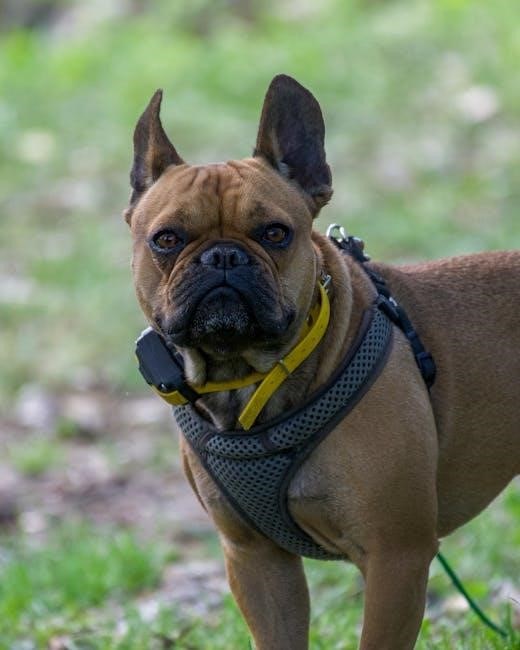
Locking the stimulation level prevents accidental increases during training. Familiarize yourself with the transmitter’s button functions to adjust and lock levels confidently. Remember‚ consistency and patience are key. Proper understanding of stimulation levels ensures a safe and effective training experience for both you and your dog.

Operating the Mini Educator
Mastering the transmitter’s button functions is crucial for effective control. Learn to adjust stimulation‚ utilize momentary and continuous settings‚ and employ the pager/vibration feature for nuanced communication.
Transmitter Button Functions
Understanding the Mini Educator’s transmitter buttons is fundamental to successful operation. The primary buttons control stimulation levels‚ allowing for precise adjustments based on your dog’s needs and sensitivity. Typically‚ separate buttons are dedicated to increasing and decreasing intensity‚ offering granular control over the correction;
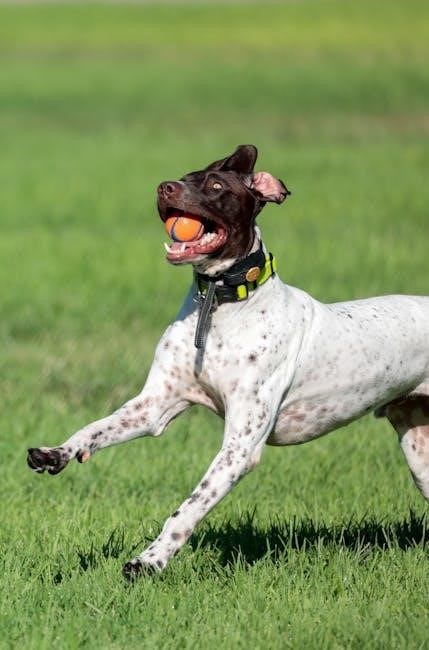
A crucial feature is the ‘lock’ function‚ preventing accidental level changes during training sessions. This ensures consistency and avoids unintended escalation of stimulation. The momentary button delivers a pulse only while pressed‚ ideal for marking desired behaviors. Conversely‚ the continuous stimulation button provides a sustained signal until released‚ useful for reinforcing distance work or addressing persistent issues.

Furthermore‚ the transmitter incorporates a pager or vibration function‚ serving as a subtle cue for attention or recall. Familiarizing yourself with each button’s purpose and practicing their use will significantly enhance your training effectiveness and ensure a positive experience for your canine companion. Refer to your owner’s manual for specific button layouts and functionalities related to your Mini Educator model.
Adjusting Stimulation Levels
Precisely adjusting stimulation levels on your Mini Educator is paramount for effective and humane training. Begin with the lowest possible setting and gradually increase it until you observe a noticeable behavioral response from your dog – a subtle ear twitch‚ head turn‚ or change in pace. This indicates the level is being perceived without causing discomfort.
Avoid jumping to higher levels prematurely; slow and incremental adjustments are key. The goal isn’t to inflict punishment‚ but to establish clear communication. Remember to ‘lock’ the desired level once established to prevent accidental changes during a session. Regularly reassess the level as your dog progresses‚ potentially reducing it as responsiveness improves.
Understanding your dog’s individual sensitivity is crucial. Factors like breed‚ temperament‚ and coat thickness can influence perception. Always prioritize your dog’s well-being and discontinue use if any signs of distress are observed. Consult the official manual for detailed guidance specific to your Mini Educator model and responsible stimulation practices.
Momentary vs. Continuous Stimulation
The Mini Educator offers two primary stimulation modes: momentary and continuous. Momentary stimulation delivers a brief pulse of energy with each button press‚ ideal for precise corrections and marking desired behaviors. It’s akin to a quick “tap” to redirect attention or interrupt unwanted actions. This is generally preferred for most training scenarios.
Continuous stimulation‚ activated by holding the button down‚ provides a sustained level of energy. While potentially useful in specific situations – like maintaining pressure during a recall – it requires careful application to avoid causing undue stress or anxiety. It’s crucial to release the button immediately once the desired response is achieved.
Mastering the distinction between these modes is vital for effective communication. Momentary is often favored for its subtlety and precision‚ while continuous demands greater control and awareness. Always prioritize the lowest effective level and observe your dog’s reaction closely‚ referring to the official manual for detailed guidance on appropriate usage.
Using the Pager/Vibration Function
The Mini Educator’s pager‚ or vibration function‚ serves as a valuable tool for low-intensity communication‚ particularly useful for dogs sensitive to electrical stimulation or during initial training phases. It delivers a gentle buzzing sensation to the receiver collar‚ acting as a subtle cue to gain your dog’s attention or reinforce known commands.
The pager can be employed for recall training‚ marking behaviors‚ or simply checking in with your dog. It’s an excellent alternative to stimulation when a less intrusive signal is desired. Remember‚ consistency is key; pair the vibration with a verbal cue to establish a clear association.
Many trainers recommend starting with the pager function to build a foundation of communication before introducing higher stimulation levels. It’s a humane and effective way to enhance your training efforts‚ fostering a positive learning experience for your canine companion. Results are often better when utilizing this function!

Training with the Mini Educator
Effective training utilizes the Mini Educator for basic obedience‚ addressing behavioral issues‚ and remote recall. It’s particularly helpful for reactive dogs‚ requiring consistent‚ humane application of techniques.
Basic Obedience Training
Establishing foundational commands like sit‚ stay‚ come‚ and heel is crucial with the Mini Educator. Begin in a controlled‚ distraction-free environment. Introduce the collar and low stimulation levels gradually‚ associating them with the desired behavior.
For “sit‚” gently apply pressure on the rear while simultaneously giving the verbal cue. If the dog hesitates‚ a brief‚ low-level stimulation can encourage compliance‚ immediately followed by praise and a reward. Repeat this process consistently.
Similarly‚ for “come‚” use a cheerful tone and gentle encouragement. If the dog doesn’t respond‚ a single‚ mild stimulation can prompt a return‚ again paired with enthusiastic praise. Avoid harsh corrections; the goal is to guide‚ not punish.
Remember‚ the Mini Educator is a communication tool. Consistent‚ positive reinforcement alongside the collar’s use will yield the best results‚ fostering a stronger bond and a well-behaved companion. Patience and understanding are key to successful training.
Addressing Common Behavioral Issues
The Mini Educator can effectively address issues like excessive barking‚ jumping‚ and leash pulling. For barking‚ identify the trigger and use the collar to interrupt the behavior before it escalates‚ paired with a “quiet” command. Low-level stimulation should cease the barking immediately‚ followed by praise when quiet.
To curb jumping‚ anticipate the behavior and apply a brief stimulation as the dog initiates the jump. This teaches them that jumping doesn’t result in attention. Consistent application is vital.
Leash pulling can be corrected by applying gentle stimulation when the dog surges forward‚ simultaneously saying “easy.” The goal is to teach loose-leash walking.
Remember‚ the Mini Educator isn’t a quick fix. It requires consistent application‚ clear communication‚ and understanding your dog’s triggers. Always prioritize positive reinforcement alongside the collar’s use‚ building a stronger‚ more obedient relationship. Avoid flooding or excessive stimulation.
Training for Reactive Dogs
Training reactive dogs with the Mini Educator demands a cautious and methodical approach. Reactivity‚ often stemming from fear or frustration‚ requires desensitization and counter-conditioning. Begin at a distance where the dog notices the trigger but remains calm.
Use the collar on a low setting to interrupt the reactive behavior – barking‚ lunging – before it escalates. Simultaneously‚ redirect the dog’s attention with a known command like “look at me.” Reward calm behavior generously.
Gradually decrease the distance to the trigger as the dog demonstrates consistent calm responses. The Mini Educator helps create a “behavioral break‚” allowing you to regain control and redirect focus.
Consistency and patience are paramount. Avoid overwhelming the dog. Professional guidance from a certified trainer experienced in reactivity is highly recommended. Remember‚ the goal isn’t suppression‚ but changing the dog’s emotional response to the trigger.
Remote Recall Training
Remote recall training with the Mini Educator builds upon foundational obedience. Start in a controlled‚ distraction-free environment. Associate the recall command (“Come!”) with a positive experience – praise‚ treats. Once reliable‚ introduce the collar on a very low setting.
At a short distance‚ give the recall command. If the dog hesitates‚ use a brief stimulation to encourage response. Immediately reward enthusiastic recall with high-value reinforcement. Gradually increase distance and introduce mild distractions.
The Mini Educator isn’t a punishment tool for failed recalls; it’s a communication aid. It provides a gentle prompt to overcome distractions. Avoid overuse; the goal is a reliable recall based on positive association.

Progress to varied locations and increasing distractions. Practice “proofing” the recall by adding duration and distance. Remember consistency and positive reinforcement are key. A reliable remote recall offers freedom and safety for your dog.

Safety and Maintenance
Prioritize safety by following precautions and understanding potential issues. Regular cleaning and proper storage extend the Mini Educator’s lifespan. Access official manuals for support!
Important Safety Precautions

Prioritize your dog’s well-being when utilizing the Mini Educator. Always begin training at the lowest stimulation level‚ gradually increasing only if necessary to achieve a response. Avoid continuous stimulation‚ opting for momentary taps to communicate effectively.
Never use the Mini Educator as punishment; it’s a communication tool for training. Regularly inspect the receiver collar for skin irritation or pressure sores‚ ensuring a comfortable fit. Do not leave the collar on for extended periods.
Supervise your dog during initial training sessions. Be mindful of your dog’s behavior and adjust training accordingly. If you observe signs of distress‚ immediately discontinue use and consult a professional dog trainer. Familiarize yourself with the complete owner’s manual before operation.
Ensure the transmitter is secure and out of reach of children. Misuse can lead to unintended stimulation. Remember‚ responsible use is crucial for a positive training experience and a happy‚ well-behaved companion.
Troubleshooting Common Issues
If the receiver isn’t responding‚ first verify the transmitter and receiver are fully charged. Ensure they are paired correctly‚ referencing the owner’s manual for pairing instructions. Check the stimulation level; it may be set too low to elicit a response.
Experiencing a short battery life? Reduce the stimulation level or frequency of use. Ensure the charging port is clean and free of debris. If the collar isn’t fitting correctly‚ adjust it for a snug‚ but comfortable‚ fit.
Dog not responding to stimulation? Gradually increase the level‚ observing for any reaction. Consider consulting a professional trainer for guidance. Download the official manual for detailed troubleshooting steps.
For persistent issues‚ contact E-Collar Technologies support for assistance. Proper maintenance and understanding of the system are key to resolving common problems and maximizing training effectiveness.
Cleaning and Storage
Regular cleaning is crucial for maintaining the Mini Educator’s performance and hygiene. After each use‚ wipe down the receiver collar with a damp cloth to remove dirt and debris. Avoid using harsh chemicals or abrasive cleaners‚ as these can damage the components.
For the transmitter‚ gently clean the surface with a soft‚ dry cloth. Ensure the charging port is free from lint or moisture before charging. Proper cleaning extends the lifespan of your training tool.
When storing the Mini Educator‚ ensure both the transmitter and receiver are completely dry. Store them in a cool‚ dry place‚ away from direct sunlight and extreme temperatures. Keeping them in the original packaging is recommended.
Long-term storage requires a full charge of the batteries before storing. Periodically check the charge level to prevent battery degradation. Following these guidelines ensures your Mini Educator remains in optimal condition for future training sessions.
Accessing the Official Manual and Support
E-Collar Technologies provides comprehensive resources to support Mini Educator users. The official product manual is readily available for download directly from their website‚ offering detailed instructions and troubleshooting guidance.
Quick start guides are also accessible‚ providing a concise overview for initial setup and operation. These resources cover everything from understanding button functions to adjusting stimulation levels effectively.
For direct assistance‚ E-Collar Technologies offers dedicated customer support channels. Users can contact them via phone or email to address specific questions or concerns regarding their Mini Educator.
Online forums and communities dedicated to e-collar training can also provide valuable insights and peer support. These platforms allow users to share experiences and learn from others. Remember to always prioritize humane training practices and consult the official manual for accurate information. Accessing these resources ensures a positive and effective training experience.